# 17 Contamination: The Mute Gender

July 15, 2013 

Women have invented agriculture and they have helped to organize the collection rational use of water in associated groups the dawn of time. Women have been created and re-created safe places for everyone, and they have also allowed the males to pass on the language and signs, history and biography of the group and the clan. Over the centuries, the title and the names of those who have held the technologies of speech and memory, were males.

The safe house that has always been a source of life, the woman was, and is also the dark prison of chains that were imposed in physical violence, and in the words of ordering the world and time.

The women, however, have sought autonomy in the activities of production, trade in manufactured goods of the earth and of the culture and memory. More than two billion women in the house, as prisoners sentenced to life imprisonment, on leave only with the bridegroom to the marriage or accompanied by a male relative’s funeral, holding the small economy that allows another two billion and more of people to work below cost for the powerful and the place for the technologically advanced countries.

Always in groups and on my own, women have tried to stand still and today and for ever more, as owners of their own autonomous subjectivity of one’s own body and at least be able to declare their status of minority. And they remain a mute Gender.

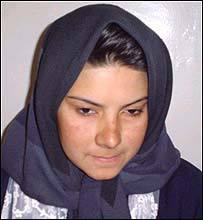
Nadia Anjuman was born approximately in 1980 was an Afghan poet and journalist. In 2005, while still a student at Herat University, published a book of poems entitled Gul-e-dodi (“Dark Red Flower”), released immediately in Afghanistan, Pakistan and parts of Iran. He spoke of himself, and of all, no offense, let the emotions show and she showed that even a woman can speak totally in the world apart from taxation thousands of years. In addition, together with other women, she created a circle of literary studies of William Shakespeare and Fyodor Dostoevsky.  

 Img - Jpg

Nadia Anjuman – Picture taken HERE 

And she made ​​it clear the issue:

I AM IN THIS CORNER IMPRISONED

I am trapped in this corner full of melancholy and sorrow. My wings are closed and I can not fly. 

Because you can not talk, but the poem is older than the written text, because it leaves the body:

NO DESIRE TO OPEN MY MOUTH

[…]
My mouth should be sealed.
Oh, my heart, you know, is the source.
And time to celebrate.
What should I do with a wing stuck?
That does not allow me to fly.
I have been silent for too long.
[…]
I am not a weak poplar
which is shaken by the wind.
I am an Afghan woman.
And (my) sensitivity leads me to complain.  

Because the chains may not contain air, breath and poetic inspiration.


CHAINS OF STEEL

How many times has been removed from the lips
my song, and how many times it has been
the muted murmur of my poetic spirit!
The meaning of joy was
buried by the fever of sadness.

If my verses with you to notice a light:
this would be the fruit of my deepest imaginings.
My tears were not used to anything
and I am left with nothing but hope.

Although I am a daughter of the town of poetry,
my verses were mediocre. 

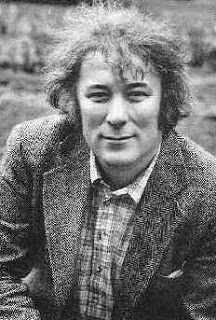
Img - Jpg

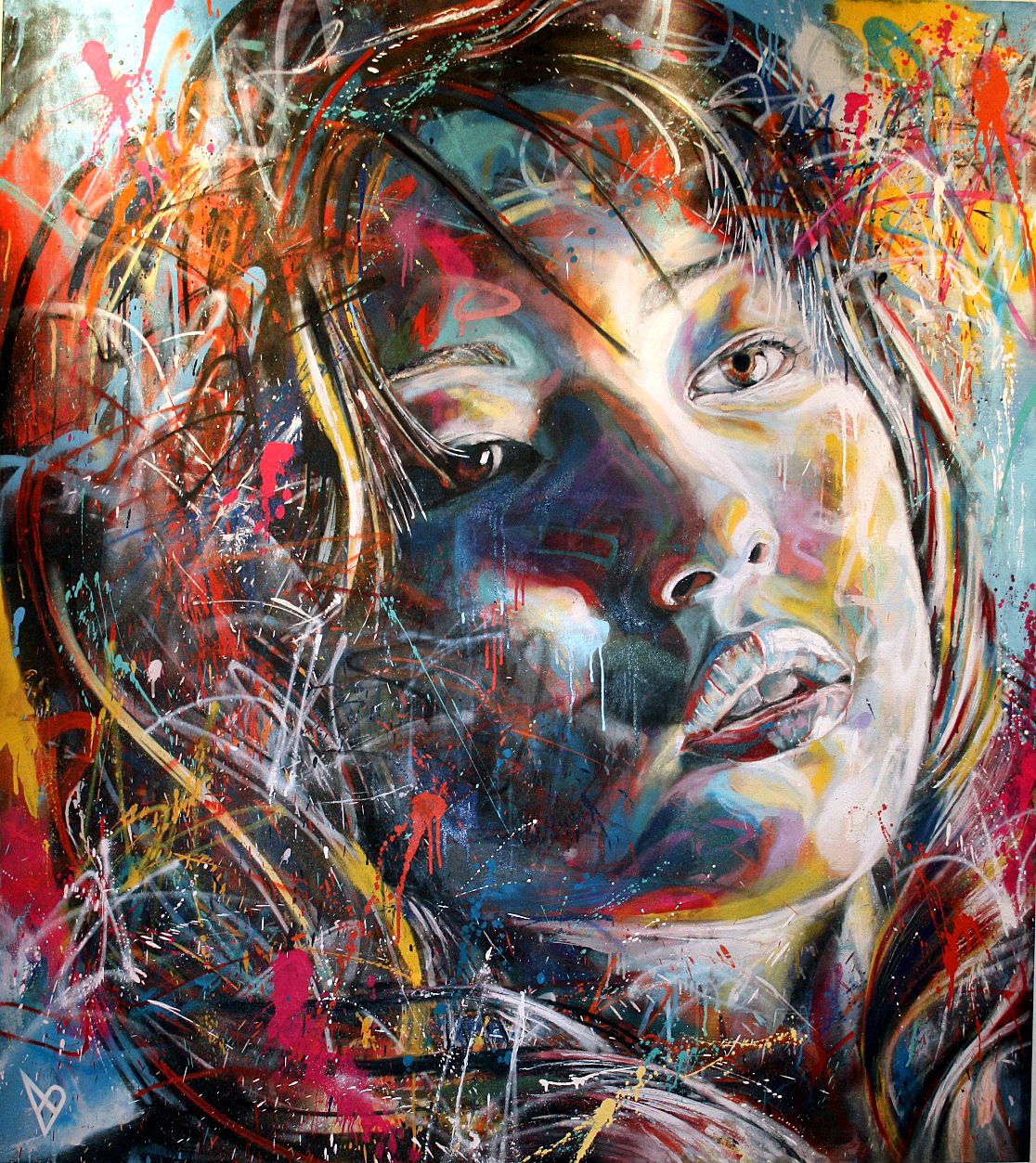
Picture taken by David Walker HERE

Although I am a daughter of the town of poetry,

my verses were mediocre …

And I say happy archives:

but they were the same rhythmic
from the body of the poet,
who feel the soul of a people
and a genre between the ages and continents,
and that transmits voice primordial
in redefining the world at the turn of time.

Nadia Anjuman was finally silenced by her husband on 4 November 2005.

#17 Contaminazioni: Il Genere Muto

15 luglio 2013 

Le donne hanno inventato l’agricoltura e contribuito a organizzare la raccolta razionale dell’acqua in gruppi associati dalla notte dei tempi. Le donne hanno creato e ricreato i luoghi sicuri per tutti, e hanno permesso anche ai maschi di tramandare nel linguaggio e nei segni, la storia e la biografia del gruppo e del clan. Nei secoli la titolarità e i nomi di coloro che hanno detenuto le tecnologie della parola e della memoria, sono stati i maschi.

La casa sicura che è stata da sempre fonte di vita, per la donna fu ed è anche la prigione oscura di catene imposte nella violenza fisica e nelle parole che ordinano il mondo e il tempo.

Le donne hanno cercato comunque autonomia nelle attività di produzione, di commercio dei manufatti della terra e della cultura e della memoria. Più di due miliardi di donne, dentro casa, come detenuti condannati all’ergastolo, in libera uscita solo con il promesso sposo per il matrimonio o accompagnato da un parente maschio per il funerale, detengono quella piccola economia che permette agli altri due miliardi e più di persone di lavorare sottocosto per i potenti del luogo e per i paesi tecnologicamente avanzati.

Da sempre in gruppi e a titolo personale le donne hanno cercato di porsi e ancora oggi e sempre di più, come titolari autonomi della propria soggettività: di disporre del proprio corpo e di poter dichiarare almeno il proprio stato di minorità. E rimangono un genere muto.

Nadia Anjuman nata indicativamente nel 1980 è stata una poeta e giornalista afgana. Nel 2005, quando era ancora studente alla Herat University, pubblicò il libro di poesie dal titolo Gul-e-dodi (“Dark Red Flower”), diffuso immediatamente in Afghanistan, Pakistan e in alcune zone dell’Iran. Parlava di sé, di tutte e, senza offendere, lasciava apparire le emozioni e mostrava che anche una donna può parlare totalmente del mondo prescindendo da imposizioni millenarie. In più, assieme ad altre donne creò un circolo letterario di studi su William Shakespeare and Fyodor Dostoevsky. 

Img - Jpg

Nadia Anjuman – Immagine presa QUI

E chiarì subito la questione:

SONO IMPRIGIONATA IN QUESTO ANGOLO

Sono imprigionata in questo angolo piena di malinconia e di dispiacere. Le mie ali sono chiuse e non posso volare.

Perché non si può parlare, ma la poesia è parola ancora prima del testo scritto, perché esce dal corpo:

NESSUN DESIDERIO PER APRIRE LA MIA BOCCA

[…]
La mia bocca dovrebbe essere sigillata.
Oh, il mio cuore, lo sapete, è la sorgente.
E il tempo per celebrare.
Cosa dovrei fare con un’ala bloccata?
Che non mi permette di volare.
Sono stata silenziosa troppo a lungo.
[…]
Io non sono un debole pioppo
scosso dal vento.
Io sono una donna afgana.
E la (mia) sensibilità mi porta a lamentarmi.

Perché le catene non possono contenere l’aria, il respiro e l’afflato poetico.

CATENE D’ACCIAIO

Quante volte è stata tolta dalle labbra
la mia canzone e quante volte è stato
azzittito il sussurro del mio spirito poetico!
Il significato della gioia è stato
sepolto dalla febbre della tristezza.

Se con i miei versi tu notassi una luce:
questa sarebbe il frutto delle mie profonde immaginazioni.
Le mie lacrime non sono servite a niente
e non mi rimane altro che la speranza.

Nonostante io sia figlia della città della poesia,
i miei versi furono mediocri.

Img - Jpg

Immagine di David Walker presa QUI

Nonostante io sia figlia della città della poesia,

i miei versi furono mediocri…

E io dico felice archivio:

ma furono lo stesso ritmati
dal corpo del poeta,
che sente l’anima di un popolo
e di un genere tra i secoli e i continenti,
e che la trasmette con voce primordiale
nel ridefinire il mondo a cavallo del tempo.
Nadia Anjuman fu definitivamente ammutolita dal marito il 4 novembre 2005.

* 9 Special Guest: Bread and words. The sum is more than the parts

July 2, 2013

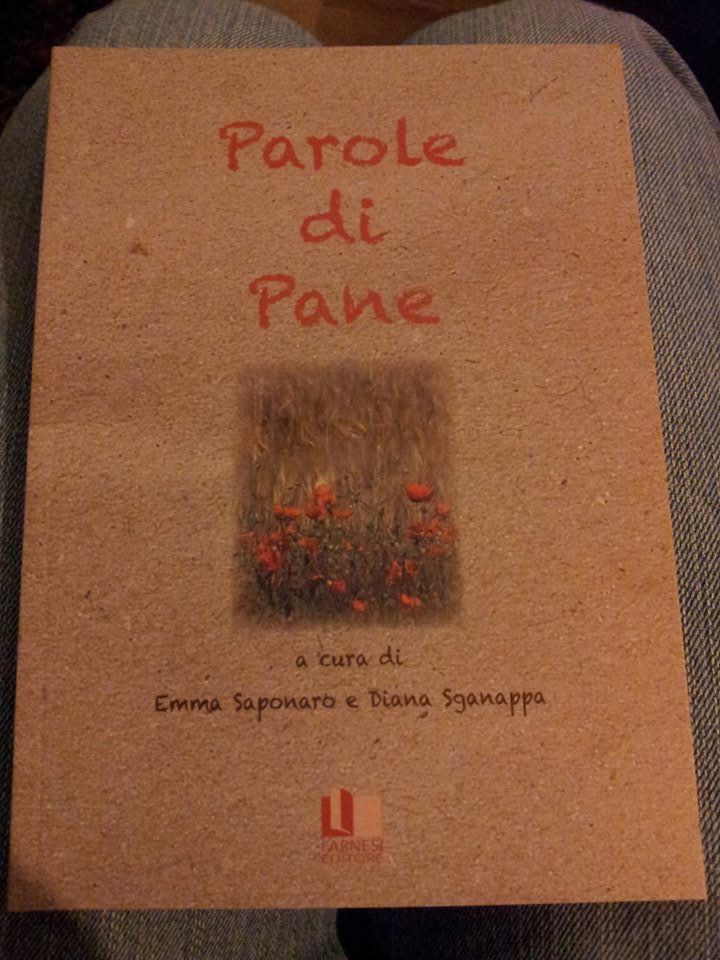
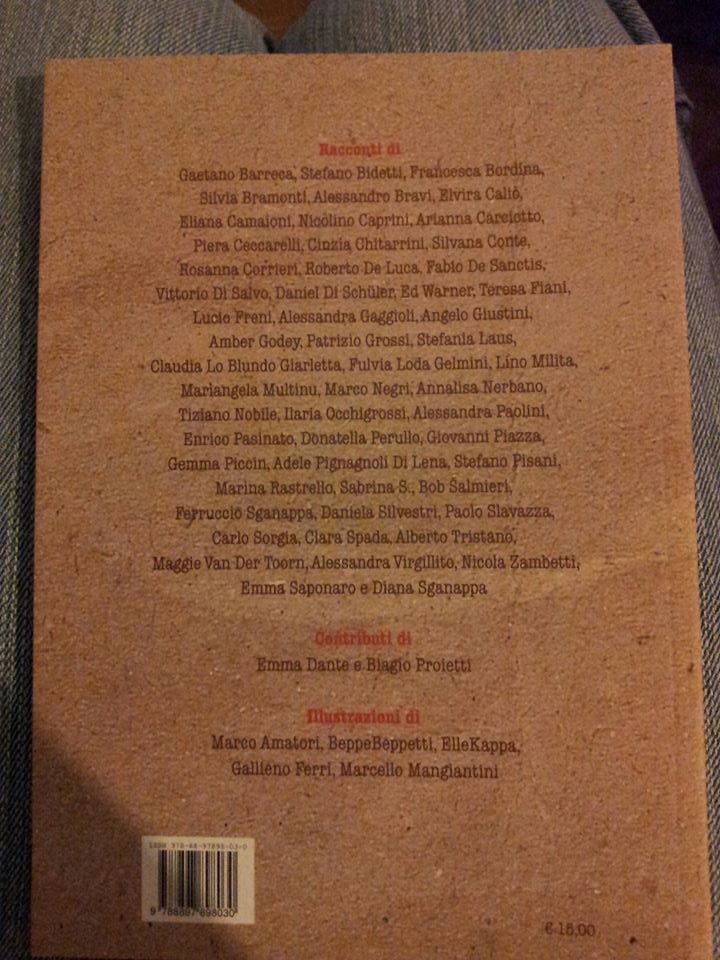
Sunday, June 30, 2013 to the Library Gallery of Art the Universal – via “F. Caracciolo” 12 – Rome, was held the presentation of the book “Words of Bread” project anthology of short stories about food, promoted by Diana & Emma, in the persons of writers “Diana Sganappa” and “Emma Saponaro.” The participants, including myself, have presented a single story, published or unpublished, concerning a story about food, fictional, first-person lived or passed down from a family member of a past generation or another country.

It is a unanimous testimony of the changes in society with reference to food.

The proceeds of the anthology are intended for public and social purposes.

The process of evaluation and preparation of the text involving different professional and the event was attended by literary critics, University Professors, and it was punctuated by piano performance and theater.


Img-Jpg

In the realization of the project, the writers, according to competence and ability, have spoken for the preparation and organization of the event in its early stages.

The five award-winning short stories have been evaluated according to a rigorous process of self-assessment on the part of actors and literary critics with reflections on food, sociability, history and the present.

The meeting in the presence of everyone with whom he had interjected only via computer (resident in Italy and abroad), as well as being poignant and uplifting, it offered the opportunity to expose for a few moments some parts of itself for a further extension on the different approaches and styles of writing.

There was the wonder of everyone to rejoice: the writers are already in place for newbies and professionals in related activities to those of writing. All together in offering a choral work.  


Img - Jpg

The ingredients of the project were mixed well and with an excellent leavening, offered a colorful display of writing styles with the ever-changing tastes like bread.

The book, the authors and the public have come up with something more. Everything was happily excess of the parties. Generous as the bread.

The book you can find it HERE

*9 Special Guest: Pane e scrittura. La somma è più delle parti

2 luglio 2013 

Domenica 30 giugno 2013
 alla Libreria Galleria delle Arti l’Universale – Via F. Caracciolo 12 – Roma, si è tenuta la presentazione del Libro “Parole di Pane” un progetto antologico di racconti sul cibo, promosso da Diana&Emma, nelle persone delle scrittrici Diana Sganappa e Emma Saponaro. I partecipanti, tra i quali il sottoscritto, hanno presentato un solo racconto, edito o inedito, avente ad oggetto un aneddoto sul cibo, frutto di fantasia, vissuto in prima persona o tramandato da un familiare di una passata generazione o di altro Paese.

Una corale testimonianza dei cambiamenti intervenuti nella società con riferimento al cibo.

I proventi dell’antologia sono destinati per scopi pubblici e sociali.

Le fasi di valutazione e di redazione del testo hanno coinvolto differenti professionalità e all’evento hanno partecipato critici letterari, prof.ri Universitari, ed è stato intervallato da esecuzioni pianistiche e teatrali.

Img - Jpg


Nella realizzazione del progetto, gli scrittori secondo competenza e possibilità sono intervenuti per l’allestimento e l’organizzazione dell’evento nelle sue fasi.
La premiazione dei cinque racconti che hanno ottenuto la preferenza di tutti gli autori secondo un rigoroso procedimento di autovalutazione, sono stato letti da attori e critici letterari con riflessione annessa sul cibo, la socialità, la storia e il presente.

L’incontro in presenza di ognuno con cui si era interloquito solo per via telematica e residente all’estero e in varie parti d’Italia, oltre ad essere stato commovente ed esaltante, ha offerto l’opportunità di mettere a nudo per pochi attimi alcune parti di sé per un ampliamento ulteriore sui diversi approcci e stili nello scrivere.

È apparsa la meraviglia di gioire di ognuno: scrittori già in opera, neofiti e professionisti per attività collaterali a quelle dello scrivere. Tutti assieme nell’offrire un lavoro corale. 


Img - Jpg

Gli ingredienti del progetto, impastati a dovere e con una eccellente lievitazione, hanno offerto una variopinta esposizione di stili di scrittura con sapori sempre cangianti come il pane.

Il prodotto, gli autori e il pubblico sono usciti con qualcosa in più. Il tutto è stato felicemente eccedente rispetto alle parti. Generoso come il pane.   

Il libro lo puoi trovare QUI

Poetically @ 16: Anniversary of a suspended dream

June 10, 2013

These days, a year ago, just back from Riga (Latvia), I decided to write a book of poems, many of which were in an embryonic state and many images and photos and paintings that I had lived and shared in my unconscious and with presence in many friends, even virtual. A suspended dream finally appeared in wakefulness.

In midnight on the summer solstice at the end of May, as if by magic in the way of the shipyard in the port of Riga, back to my unspoken thoughts, I came to the last edge, beyond which begins the forests to the north that forward to the Russian coast to Finland.

And the Sun instead of disappearing into the horizon, for a reverse voltage, it began to rise as if about to explode. But what changed was the sky from a gray blue waving the blue, in the time of a blink of an eye, it became yellow and orange all around there was an expectant silence.

It was a flash, but not from the outside: a swirl of ideas condensed in rhyme, just as I was taking this photo.

 Img- Jpg

The same morning I was helped by a fellow native, returning to his home, to write a few lines in similarity to the style of the Latvian poet Imants Ziedonis (May 3, 1933 – February 27, 2013). In the following hours in a state of self-induced hypnosis, thinking I wrote some notes to the port and to the Sun, where the morning had already taken his leave from the base of the horizon. And then I hazarded some sounds of a foreign language to me, if not for some of the terms of Ziedonis. That embryo of verse that was written in the following weeks, it became the poem “The semicircle of the day,” my book “Dreams Suspended.”


The semicircle of the day – Lino Milita

On the shadows of water expanses of sky,
you wobble every hour on the thin trace.
The narrow surfaces shaking the arrows
ray diffuse on the bottom end.

The sudden flicker an eye crimson,
push your fuzzy contrails under
solid seals, which are buried in caskets
of anxious nights sleeping.

The expected answers you do not subtract
around the rapt gaze.
The accepted vigils invoked, you pour
phonic infirm in flames.

Twilights you contain compressed browsing
around the swashplate ring plane and
in the eye of the horizon of each desired
sense, you caress the eyelids finally relaxed.


And this is a superficial and inaccurate translation that takes into account the Latvian language, which was written taking into account the admiration that semicircle of colors constantly changing.


Pusaplis dienas – Lino Milita 

Ūdens plašumiem debesu ēnas, kas
šūpoties katru stundu uz šauras.
Šaurās virsmas shaking darting stariem
plaši izplatīta jūras dibena neskaidra.

Pēkšņas mirgo sarkanās trīce,
push jūsu izplūdušu takas
cietās blīves, kas ir ietverti lādes
bezmiega naktis un nemierīgi.

Netiek ņemta vērā paredzamo atbildes
ar acīm, kas jūs brīnums.
Pieņemt faktu jautājumiem un izplatīt liesmu
un skaņas visu ugunsgrēku.

Jums pārlūkot uz mazām twilights
ap gredzenu plaknei, kas svārstās
pagrieziena pie apvāršņa,
kur katrs plakstiņa ir difūzs glāstīja.


And to return to Italy in June I continued to recall the dreams of the past and echoes of future results, which are also oscillating in the suspension of the semicircle of the day.


@16 PoeticaMente: Anniversario di un sogno sospeso

10 giugno 2013 

Di questi tempi un anno fa, appena di ritorno da Riga (Lettonia) decisi di scrivere un libro di poesie, poche delle quali erano allo stato embrionale e tante immagini e foto e quadri che avevo vissuto e condiviso nel mio inconscio e in presenza con tanti amici, anche virtuali. Un sogno sospeso che fu calò nella veglia.

Nella mezzanotte del solstizio d’estate alla fine di maggio, come per incanto nel cammino del cantiere navale del porto di Riga, dietro ai miei pensieri inespressi, arrivai all’ultimo lembo, di là dal quale cominciavano le foreste che più a nord si inoltrano per le coste Russe fino in Finlandia.

E il Sole invece di sparire nell’orizzonte, per una tensione inversa iniziò a risalire come se stesse per esplodere. Ma ciò che cambiò fu il cielo: da un grigio azzurro ondeggiante sul violaceo, nel tempo di in un battito di ciglia, divenne giallo arancione e tutto intorno vi fu un silenzio d’attesa.

E venne un lampo, ma non da fuori: un turbine di idee si condensò in rime, proprio mentre stavo scattando questa foto.

Img- Jpg


La mattina stessa mi feci aiutare da un collega natio, di ritorno nella sua casa, per scrivere alcune righe in assonanza allo stile del poeta lettone Imants Ziedonis (3 maggio 1933 – 27 febbraio 2013). Nelle ore successive in stato di ipnosi auto indotta, scrissi alcuni appunti pensando al porto e al Sole, dove quest’ultimo mattino aveva già preso congedo dalla base dell’orizzonte. E poi azzardai alcune sonorità di una lingua per me estranea, se non per alcuni termini di Ziedonis. Quell’embrione di scritti nelle settimane successive divenne la poesia “Il semicerchio del giorno”, del mio libro “Sogni Sospesi”.

Il semicerchio del giorno

D’ombre d’acqua di cielo distese,
ondeggi ogn’ora sulla sottile traccia.
Strette superfici stringono saette
di raggi diffusi sul cieco fondale.

Improvvisi tremolii d’iridi cremisi,
spingono tue sfocate scie sotto
solidi sigilli, interrati in scrigni
d’affannate notti dormienti.

Attese risposte non sottrai
attorno agli assorti sguardi.
Accolte veglie invocate, infondi
in foniche inferme fiamme.

Crepuscoli compressi contieni navigando
attorno all’oscillante anello aereo e
nell’occhio d’orizzonte d’ogni desiderato
senso, accarezzi alfine le palpebre distese.

Che tiene conto della sonorità della lingua lettone, come questa traduzione imprecisa e superficiale, scritta tenendo conto dell’ammirazione quel semicerchio di colori in continua mutazione.


Pusaplis dienas

Ūdens plašumiem debesu ēnas, kas
šūpoties katru stundu uz šauras.
Šaurās virsmas shaking darting stariem
plaši izplatīta jūras dibena neskaidra.

Pēkšņas mirgo sarkanās trīce,
push jūsu izplūdušu takas
cietās blīves, kas ir ietverti lādes
bezmiega naktis un nemierīgi.

Netiek ņemta vērā paredzamo atbildes
ar acīm, kas jūs brīnums.
Pieņemt faktu jautājumiem un izplatīt liesmu
un skaņas visu ugunsgrēku.

Jums pārlūkot uz mazām twilights
ap gredzenu plaknei, kas svārstās
pagrieziena pie apvāršņa,
kur katrs plakstiņa ir difūzs glāstīja.


E di ritorno in Italia a giugno continuai a richiamare sogni del passato e gli echi di quelli futuri, oscillanti anche nella sospensione del semicerchio del giorno.

* 8 Special Guest: Outposts of the real

June 3, 2013 

It is difficult to recognize in the mirror, because it does not only appear in the shapes and contours of the cilia beats and lights. The rites of awakening according to the deities of the time marked in sexagesimal measures in the trill and in scanning the home screens, inform a bike-run linear and unidirectional. The physiological processes of awakening receive confirmation in a glass that reflects light forms, which have the faith to be identified in a body.

Here and now.

And it takes <ego> consistency in accordance with the identity cards and access keys digital and mechanical, so that you log into wedges world who wake up with us. The preparation of food and beverages and rituals of cleansing and dressing, in perpetual mutation, instill a feeling of tranquility and automaticity in the execution. The complacency of acting cyclic built every day, the safe house of a space and a time that promises consistency and uniqueness.

 Img - Jpg

Alfredo Araujo Santoyo – Picture taken HERE

Yet we think and act with images that go beyond the movements and purposes of the day. We jump and play every second between visions of the future and continuous shooting of the plots of the past.

We establish the outside world which frames us in positions to offer the ‘other’, looking for meanings that fantasize about the future.

Being clothes in front of the mirror, we project outposts of what we would like and we could be on the bumps fantasies, and on the plains of the imagination. And all of this is real, more real, because it emerges in a way that influences and directs our action.

Outposts of Me – Lino Milita

The views eradicated from trusts rooted
in folded canvases from minutes fluctuated,
diverge multitudes underground
in weeds that are shaken by the slender traces lost.

From the dreams that never took place, the demands suffered
infuse the elsewhere and several other past,
inviting the guests wanted to inverate
hopes, undertows wave expired.

The original and the renewed story perceives
a curious and lively composition,
where every possible event occurs.

The substrates rational raise the similarities
infused and hosted by endless dreams
that reinvent the necessary spells.

Child in Time – “Deep Purple”. To hear it click HERE

*8 Special Guest: Avamposti del reale

3 giugno 2013 

Difficile riconoscersi nello specchio. Non appaiono solo figure e contorni nei battiti delle ciglia e delle luci. I riti del risveglio secondo le divinità del tempo scandito in misure sessagesimali nel trillo e nella scansione degli schermi di casa, informano di un moto a conduzione lineare e unidirezionale. I processi fisiologici del risveglio ricevono conferma in un vetro che riflette forme di luce, aventi la fede di essere individuate in un corpo.

Qui e ora.

E l'<io> trae coerenza in conformità alle carte di identità e alle chiavi di accesso digitali e meccaniche per accedere a spicchi di mondo che si risvegliano assieme a noi. La preparazione del cibo e delle bevande e i riti di pulizia e vestizione, in perenne mutazione, infondono un sentimento di tranquillità e automaticità nell’esecuzione. Il compiacimento dell’agire ciclico edifica ogni giorno la casa sicura di uno spazio e di un tempo che promette costanza e univocità.

Img - Jpg

Alfredo Araujo Santoyo – Immagine presa QUI

Eppure pensiamo ed agiamo con immagini che oltrepassano le movenze e gli scopi del giorno. Saltiamo e giochiamo ogni secondo tra visioni del futuro e continue riprese delle trame del passato.

Istituiamo l’al di là del mondo che ci inquadra in ruoli da offrire agli “altri”, ricercando significati per il futuro che fantastichiamo.

Vestiti davanti allo specchio, proiettiamo avamposti di quello che vorremmo e potremmo essere sui dossi delle fantasie e sulle pianure della immaginazione. E tutto ciò è reale, più reale, perché emerge un senso che orienta e condiziona il nostro agire.

AVAMPOSTI DI ME

Vedute estirpate da fiducie radicate
in tele ripiegate da minuti oscillati,
divaricano moltitudini interrate
in sterpaglie scosse dalle esili orme perdute.

Da sogni mai accaduti, richieste patite
infondono l’altrove e diversi altri passati,
invitando i ricercati ospiti di inverate
speranze, in risacche d’onde decadute.

L’originale e rinnovata vicenda scorge
una curiosa e vitale composizione,
dove ogni possibile evento sopraggiunge.

Sostrati razionali innalzano analogie
infuse e ospitate da interminabili sogni
che reinventano le necessarie magie.

Child in Time. – “Deep Purple”. Per ascoltarlo premere QUI 

* 7 Special Guest: women and the Sea

May 27, 2013

I present a text just released where I participate with my story from which the image is related also to the cover.

“Women and the Sea” is collection of short stories by authors of the FB group “Star Books”, with color illustrations by Diego Lights on coated paper,

 Img - Jpg

the book is available in hardcopy HERE

An anthology of 23 stories dedicated the world of women in the relationship with the sea, consisting of more or less well-known authors who have accepted the challenge to create a story while remaining within the maximum limit of 1000 characters.

The stories span several genres. They range from the dramatic relative to the impossible love, violence against women and the events giving rise to the ironic smile; the celebration of the sea and feelings to the fairy tale, the prose poetic and mythological references. In addition to the moral qualities you meditate sometimes on physical beauty, referring to the erotic impulses of the characters.

The 23 color illustrations created by “Diego Luci” highly evocative, and they capture the essence of the story that follows. The drop cap similar to medieval miniatures, they offer a fabulous manuscript, emerged as if by magic from the shelves of a library mysterious.

It is also available in ebook format on Amazon HERE.

*7 Special Guest: Le Donne e il Mare

27 maggio 2013 

Presento un testo da poco uscito dove partecipo con un mio racconto dal quale l’immagine correlata è anche quella della copertina.

“Le Donne e il Mare” è raccolta di racconti di autori del gruppo FB “Libri Stellari”, con illustrazioni a colori di Diego Luci su carta patinata,

Img - Jpg

Reperibile QUI

Un’antologia di 23 racconti dedicati all’universo femminile in relazione con il mare, composti da autori più o meno conosciuti i quali hanno accettato la sfida di creare una storia rimanendo nel limite massimo di 1.000 battute.

I racconti abbracciano diversi generi letterari. Si va dai toni drammatici relativi agli amori impossibili, alla violenza sulle donne e a vicende ironiche che suscitano il sorriso; dalla celebrazione del mare e dei sentimenti alla fiaba, alla prosa poetica e ai riferimenti mitologici. Oltre che sulle doti morali si medita talvolta sulla bellezza fisica, accennando alle pulsioni erotiche dei protagonisti.

Le 23 illustrazioni a colori realizzate da Diego Luci, altamente evocative, colgono l’essenza della storia che segue. I capolettera simili a miniature medioevali, offrono un manoscritto fiabesco, emerso come per incanto dagli scaffali di una biblioteca misteriosa.

È disponibile anche in formato ebook su Amazon QUI.


Le mie sono solo risposte a un tuo continuo richiamo…